

Single Transit Policy
Protects goods from damage or loss during one-time transport
Get ₹50 Lakh Cover
Starting At ₹7,000/Year


Policy Provided By




















Single Transit Policy
Protects goods from damage or loss during one-time transport
Get Quotes in a Few Steps


Currently Reading
1. What Is Single Transit Insurance & Why Is It Necessary?
2. What Are the 3 Clauses in Single Transit Insurance?
3. How Does Marine Transit Insurance Work?
4. Benefits of Marine Single Transit Insurance
5. Who Should Buy Marine Transit Insurance?
6. What Is Covered Under Single Transit Policy?
7. What Is Excluded Under Marine Transit Insurance?
8. Single Transit Policy Insurance Claim Process
9. Single Transit Policy Claim Examples
Goods are at risk the moment they leave your warehouse and until they reach the buyer. A Single Transit Policy (or Marine Transit Insurance) protects these one-time consignments during this vulnerable stage. Whether the goods move by road, rail, air, or sea, the policy provides cover against loss or damage during that specific journey. The terms may vary depending on the transport mode, but the objective remains the same – to keep you financially safe if something goes wrong mid-way.
A Transit Insurance Policy provides coverage for goods during their movement from one location to another, whether by land, sea, or air. It protects against various risks like theft, damage, fire, accidents, and natural disasters. This type of insurance is crucial for businesses and individuals who ship goods, helping to mitigate financial losses in case of damage or loss during transit. This insurance is also called Marine Transit Insurance, Single Transit Insurance, Single Transit Marine Insurance, Inland Transit Insurance, Marine Transit Insurance (Inland) and Marine Single Transit Insurance.
Marine Transit Insurance typically includes two major protections. First, it covers physical damage during the journey, caused by events such as fire, collision, overturning, theft, or water seepage. Second, it protects against total loss, which means the entire shipment is destroyed, cannot be recovered, or is damaged to a point where recovery makes no financial sense. For example, if a truck carrying your goods falls into a river and the cargo is unrecoverable, the insurer pays you the full declared value.
Many insurers offer Transit Insurance Policy with an “all-risk” wording. This means that every unexpected event is covered, except for clearly mentioned exclusions. On the other hand, some insurers offer “named perils” cover, which protects only against specific listed risks like fire or sinking. It is important to understand which type of cover you are purchasing.
The cost of the policy depends on the value and type of goods, how they are packed, the distance, and the transport method. Perishable or fragile items usually carry higher premiums due to greater risk. Standard policies exclude delays, wear and tear, poor packing, and events like war or strikes, although some of these can be added back for an extra premium.
Here is a real example:
A trader in Bhopal sent industrial valves worth ₹4.2 lakh to a buyer in Jaipur. Midway, the lorry overturned, and several cartons were crushed. Because the trader had insured the shipment based on invoice value plus freight and a 10 percent buffer, the insurer reimbursed the full ₹4.2 lakh. It also covered ₹15,000 in freight charges and refunded the surveyor’s fee, which sped up the claims process.
This is why Marine Transit Insurance (or Marine Single Transit Insurance) matters. Goods in transit are no longer under your control. A single incident can wipe out your profit and harm customer relationships. This policy ensures that a one-time shipment does not turn into a long-term financial loss. With the correct sum insured and clear wording, it helps you recover quickly and continue business without disruption.
Marine Transit Insurance policies are usually based on standard international wordings in Marine Insurance called Institute Cargo Clauses (ICC). These clauses define exactly what risks are covered and what is not. There are three main types – ICC (A), ICC (B), and ICC (C). Each offers a different level of protection and comes with its own pricing and exclusions.
Institute Cargo Clause (A) – All Risks Cover
This is known as All Risks cover. It offers the widest protection during transit. Your goods are covered for almost any accidental loss or damage unless specifically excluded. Some of the key events covered under Clause A include:
Fire and Explosion
Theft and Pilferage
Overturning or Derailment of Land Transport
Earthquake, Lightning, or Volcanic Eruption
Accidental Damage to Cargo
General Average and Salvage Charges
Jettison (Cargo Thrown Overboard)
Stranding or Grounding
Collision or Capsizing
Package Loss (Cargo Lost Overboard or Dropped)
Handling Damage (During Loading or Unloading)
Non-delivery Due to Damage or Loss
Institute Cargo Clause (B) – Named Perils Cover
This is a Named Perils policy with slightly limited coverage. It protects against specific listed risks such as:
Fire and Explosion
Overturning or Derailment of Land Vehicles
Discharge of Cargo at a Port of Distress
Earthquake, Volcanic Eruption, or Lightning
Stranding or Grounding
Collision or Capsizing
Institute Cargo Clause (C) – Basic Cover
This is the most basic form of cover, and it includes only major transit accidents. Covered risks include:
Fire and Explosion
Overturning or Derailment of the Transport Vehicle
Discharge of Cargo at a Port of Distress
Stranding or Grounding
Collision or Capsizing
Choosing the right clause depends on your cargo type, its value, the risks involved, and how much risk you are prepared to carry yourself. While ICC (A) offers the broadest peace of mind, ICC (B) and ICC (C) may be suitable for simpler shipments with lower exposure.
Marine Transit Insurance protects a one-time consignment while it is being moved from one place to another. It starts when the goods leave the sender’s location and ends when they are delivered to the final destination. This could be by road, rail, air, or sea. The cover is active only for that specific journey.
Marine Transit Insurance protects against many common risks that can occur while the goods are in transit. These include fire, explosion, collision, overturning, derailment, rough weather, theft, pilferage, water damage, and in some cases, loss during shipping accidents.
There are different levels of cover available. The most comprehensive is All Risks, provided under Institute Cargo Clauses (A) or Inland Transit Clauses (A). It covers almost every unexpected loss or damage, except for some standard exclusions like delay, poor packing, leakage, internal spoilage, or wilful misconduct under Single Transit Policy.
A more limited option is called Named Perils. This cover is based on Institute Cargo Clauses (B), Institute Cargo Clauses (C), or Inland Transit Clauses (B). It protects only against specific listed events such as fire, explosion, overturning, or theft.
The most basic cover is Total Loss Only, also called FPA (Free from Particular Average). This applies only if the entire consignment is completely destroyed or cannot be recovered without major cost. In such cases, the insurer pays the full declared value.
The cost of Single Transit Policy, or the premium, is determined by evaluating the risk associated with the cargo and setting a price accordingly. Factors like the value of the goods, the nature of the goods (for example, perishable or fragile), the mode of transport, and the distance of the journey all influence the premium.
Marine Transit Insurance offers practical protection when your goods are most exposed to risk. It helps ensure that even if something goes wrong during the journey, your business does not suffer a major financial loss.
Marine Transit Insurance (or Single Transit Policy) is a practical and cost-effective way to protect your goods during one-time or occasional shipments. Whether you are a manufacturer, exporter, supplier, or small trader, this cover offers financial safety and peace of mind.
Covers One Specific Journey
Under Single Transit Policy, you only pay for the trip you need to insure. This is ideal for businesses that do not ship goods regularly or want to avoid the cost of annual policies.
Protection Against Common Risks
Single Transit Policy covers damage or loss caused by fire, theft, collision, overturning, rough handling, water damage, and natural disasters during the journey.
Flexible for All Modes of Transport
You can use Marine Transit Insurance for sea, air, rail, or road transport. It also works for shipments involving more than one mode, such as road plus sea.
Financial Stability for Your Business
One accident can cause major financial loss. With Marine Transit Insurance, you get paid for damage or total loss, so your cash flow stays unaffected.
Customisable Based on Cargo Value
You can choose the sum insured based on the value of your goods. This makes Marine Transit Insurance more accurate and relevant for your specific shipment.
Builds Trust with Clients
Insured shipments give confidence to buyers, clients, or distributors. It shows you are serious about protecting their goods and your business relationship.
Marine Transit Insurance (or Single Transit Policy) gives you the right level of cover without unnecessary cost or commitment. It is a simple way to protect high-value or sensitive cargo during one-off deliveries.
Marine Transit Insurance is designed for anyone who needs to move goods from one place to another, but does not want or need a full-year marine insurance plan. It is suitable for both businesses and individuals who transport goods occasionally or on a one-time basis.
Here are the people and businesses who should consider buying a Marine Transit Insurance:
Small and Medium Enterprises (SMEs)
Businesses that send goods once in a while or on customer demand can benefit from Marine Transit Insurance without paying for annual policies.
Traders and Distributors
Those who deal in goods like textiles, machinery, auto parts, chemicals, or consumer items often need to send stock between locations. Marine Transit Insurance helps secure those shipments.
Exporters and Importers
If you are shipping goods overseas or receiving items from another country, Marine Transit Insurance can protect your cargo during that specific journey.
Manufacturers
Factories that send machines, raw materials, or finished goods to clients or warehouses can insure each movement as needed, without ongoing costs.
Contractors and Project-Based Firms
Firms that deliver large items such as industrial equipment or electrical panels for project work can use this policy to cover delivery from factory to site.
Individual Shippers or One-Time Movers
If you are sending valuable personal goods, machinery, or instruments for one-time use or relocation, Marine Transit Insurance offers protection during the trip.
Anyone who wants financial safety during the transport of goods should consider buying Marine Transit Insurance. It is simple, affordable, and focused on protecting what matters most during a specific shipment.
Marine Transit Insurance protects your goods from specific risks during one shipment. The actual coverage depends on the type of Institute Cargo Clause you select – A, B, or C. Each clause comes with a different scope of protection.
Transit insurance covers the financial impact of loss or damage to the goods during their journey. It protects against a wide range of risks, including theft, fire, accidents, natural disasters, and other perils specific to the mode of transportation—such as land, sea, or air. Some policies also include protection during loading or unloading, especially for cargo that is fragile or handled frequently. Coverage often extends to perils like earthquakes, explosions, lightning, and accidents involving the transport vehicle. Theft is another common risk that can lead to major financial loss, which is also covered under many transit policies. There are two broad types of transit insurance: Inland Transit Insurance, which covers goods being moved within the country, and Marine Cargo Insurance, which applies to shipments transported by sea.
Here is a simple breakdown of what is covered under each Institute Cargo Clause in Marine Transit Insurance:
Institute Cargo Clause (A) in Marine Insurance
This is known as All Risks cover. It offers the widest protection during transit. Your goods are covered for almost any accidental loss or damage unless specifically excluded. Some of the key events covered under Clause A include:
- Fire and explosion
- Theft and pilferage
- Overturning or derailment of land transport
- Earthquake, lightning, or volcanic eruption
- Accidental damage to cargo
- General average and salvage charges
- Jettison (cargo thrown overboard)
- Stranding or grounding
- Collision or capsizing
- Package loss (cargo lost overboard or dropped)
- Handling damage (during loading or unloading)
- Non-delivery due to damage or loss
Institute Cargo Clause (B) in Marine Insurance
This is a Named Perils policy with slightly limited coverage. It protects against specific listed risks such as:
- Fire and explosion
- Overturning or derailment of land vehicles
- Discharge of cargo at a port of distress
- Earthquake, volcanic eruption, or lightning
- Stranding or grounding
- Collision or capsizing
Institute Cargo Clause (C) in Marine Insurance
This is the most basic form of cover, and it includes only major transit accidents. Covered risks include:
- Fire and explosion
- Overturning or derailment of the transport vehicle
- Discharge of cargo at a port of distress
- Stranding or grounding
- Collision or capsizing
Each of these options comes with its own price and scope. Clause A in Marine Insurance is best if your cargo is high-value or sensitive. Clause B in Marine Insurance works well for general goods that still need protection from natural or marine-related risks. Clause C in Marine Insurance is suitable if you want to cover only large-scale accidents at the lowest cost.
Understanding these coverage types helps you choose the right policy for your shipment—so you are protected from the moment the goods leave your hands until they safely reach their destination.
While Marine Transit Insurance provides strong protection, it does not cover everything. There are certain exclusions that apply across all Institute Cargo Clauses (A, B, and C) in Marine Insurance. These are events or situations where the insurer will not pay a claim. Understanding these exclusions helps avoid surprises at the time of loss.
Wilful Misconduct by the Insured
If damage is caused deliberately or due to reckless behaviour by you or your agents, it will not be covered. Insurance is meant for unexpected losses—not actions taken on purpose.
Ordinary Leakage or Wear and Tear
Natural losses like drying, evaporation, or minor scuff marks are not covered. These are considered normal outcomes of transportation and are not treated as insurable events.
Inherent Vice or Nature of the Goods
If the goods are naturally prone to spoilage, corrosion, or self-heating—such as fresh produce or chemicals—this damage is not covered. For such cargo, special deterioration or temperature-controlled cover is required.
Insufficient or Poor Packing
If the goods were not packed properly to withstand normal movement during transport, the insurer can reject the claim. Strong packing is essential. Taking photographs during loading also helps in case of a dispute.
Delay and Loss of Market
Transit insurance does not cover any business loss caused purely due to delay. Even if the delay was caused by an insured peril, there is no payout for lost sales or penalties.
Unfit Vehicle or Vessel (Known to You)
If you knowingly load your goods onto a damaged or unfit ship, truck, or container, and something goes wrong, the policy becomes void. Marine Transit Insurance protects the insurer from preventable risks.
These exclusions are common across most insurers and are part of the core structure of marine cargo insurance. Knowing what is not covered helps you plan better, avoid disputes, and consider extensions where needed.
Notify Us
As soon as the loss or damage happens, contact us within 2 days. Share all relevant details and documents, such as photos or reports. We will make sure the process starts without any delays.
Surveyor Visit
Once notified, a surveyor will visit your site within 1–2 days to assess the damage. Please avoid moving any damaged items until the surveyor arrives. After that, we will take care of the next steps.
Submit Required Documents
We will guide you through submitting the necessary documents, including the claim form, incident notes, and financial records. Our team will ensure everything is submitted correctly and on time.
Claim Assessment & Approval
Once the documents are submitted, the surveyor will evaluate the claim and provide a settlement amount based on your policy terms. After approval, the insurer will finalise the settlement.
Payment Processing & Claim Closure
Once the settlement is approved, payment will be processed and issued to you or your beneficiary. After payment, the claim will be closed. If any further issues arise, we will be here to support you until they are fully resolved.
Truck Accident During Machine Delivery
In 2020, a manufacturing company in Pune was sending a packaging machine to its distributor in Nagpur. Midway through the journey, the transport truck overturned on a sharp curve. The machine was badly damaged due to impact and shifting cargo. The company raised a Marine Transit Insurance claim. The insurer paid ₹6.8 lakhs to cover the machinery loss. This helped the business resend the equipment without delay or financial burden.
Flood Damage to Goods in Transit
In 2017, a trader in Guwahati was transporting packaged electrical components to Siliguri. Heavy rainfall caused flash flooding on the highway, soaking part of the consignment. Several cartons were declared unfit for use. The trader filed a claim under the transit policy. The insurer approved ₹3.2 lakhs for damaged inventory and ₹18,000 for freight charges. The payout ensured the trader could replace the goods and retain the client.
Carton Damage During Loading
In 2023, a business in Indore was shipping small machinery parts to a dealer in Raipur. During loading, one of the cartons slipped and fell off the trolley, damaging the contents inside. The receiver reported the damage at the time of delivery. The sender raised a Marine Transit Insurance claim. The insurer paid ₹1.1 lakhs for damaged goods and ₹7,000 for inspection and handling costs. This helped the sender recover the loss and maintain the business relationship.
Trusted by India's Top Businesses















A new experience.
Built on intelligence. Covered in minutes.


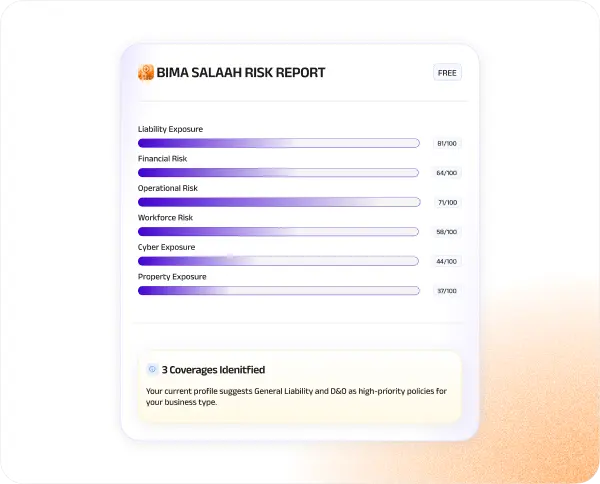
Every risk, read instantly.
Everything your business is exposed to, analysed before any cover is placed.
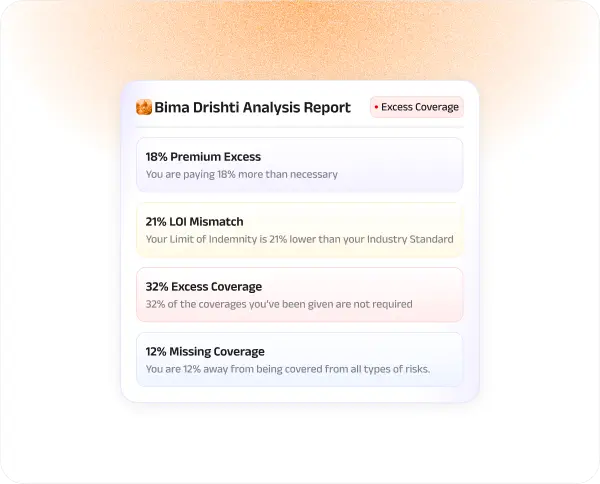
Every gap, caught early.
The gaps your current cover leaves open, surfaced before they turn into a claim.
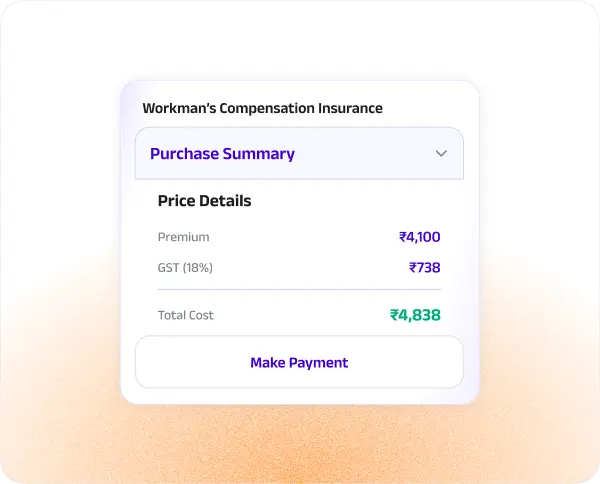
Right coverage, issued in minutes.
The right cover, priced and placed with India's top insurers, in minutes.



India's builders trust BimaKavach.

Learn More About
Single Transit Policy
Business Insurance, made Simple
- ICC (A): All Risks – covers almost every accidental loss or damage unless specifically excluded.
- ICC (B): Named Perils with Water Risks – covers listed risks like fire, collision, and water-related events.
- ICC (C): Basic Accident Cover – offers minimal protection, covering only major accidents during transit.