

Workmen Compensation Insurance for Restaurant Staff
Protects restaurants against financial liabilities when staff or cleaners suffer injuries from burns or other workplace accidents.


Policy Provided By




















Workmen Compensation Insurance for Restaurant Staff
Protects restaurants against financial liabilities when staff or cleaners suffer injuries from burns or other workplace accidents.
Get Quotes in a Few Steps


Currently Reading
1. What Is WC Insurance for Restaurant Staff?
2. Where Injuries Happen in a Restaurant?
3. Who on Your Restaurant Payroll Needs Cover?
4. What Does WC Insurance for Restaurant Staff Cover?
5. What the Policy Does Not Cover?
6. Seasonal and Festival Hiring: Staff You Must Declare
7. How to Buy WC Insurance for Restaurant Staff from BimaKavach?
WC insurance for restaurant staff covers an employer’s financial liability when a kitchen worker, server, housekeeping staff member, or delivery rider suffers an injury, disability, or death during employment.
Consider a tandoor operator at a North Indian restaurant preparing naan during a dinner rush when the gas regulator malfunctions and a flame flares outward. The worker suffers second-degree burns on both forearms and needs hospitalisation, skin grafting, and three months away from the kitchen. The employer may face medical expenses and disability compensation based on the worker’s wages, age, and assessed disability. Without WC insurance, the restaurant owner bears these costs directly. With suitable coverage, the insurer pays eligible compensation according to the policy terms.
Restaurants face injury risks across every part of their operations, not just the kitchen. Understanding where accidents happen helps restaurant owners assess whether their insurance matches their workforce’s risks.
- Kitchen Line and Tandoor Station: Burns from open flames, hot oil splashes, and steam. Knife cuts during food preparation. Scalds from boiling water, gravy, and pressure cookers. These areas can produce frequent and severe workplace injuries.
- Prep and Storage Area: Back injuries from lifting 50 kg flour sacks, gas cylinders, and frozen stock. Cuts from industrial food processors, meat slicers, and grinders. Cold-related injuries from prolonged work inside walk-in freezers.
- Dining Floor and Service Area: Slips on wet or greasy tiles, especially near the kitchen pass. Falls while carrying loaded trays on stairs or uneven flooring. Burns from serving hot dishes or handling buffet equipment.
- Loading Dock and Rear Entrance: Crush injuries during goods delivery, falls from raised platforms, and injuries while moving heavy vegetable crates, cooking oil drums, and gas cylinders from delivery vehicles to storage.
- Delivery Routes: Road accidents during food deliveries, two-wheeler falls in rain or traffic, and burns from spilled hot food. Delivery riders can be covered for eligible injuries sustained while performing their duties, subject to the policy terms.
Restaurant businesses should assess injury risks across their workforce, including employees who work outside the kitchen.
Kitchen and Prep Staff
Head chefs, line cooks, tandoor operators, helpers, and dishwashers face risks from burns, cuts, hot surfaces, and heavy lifting. Experienced chefs earning above the applicable ESIC salary limit may fall outside ESIC coverage, leaving the employer exposed to compensation costs.
Servers, Stewards, and Housekeeping
Waitstaff carrying heavy trays, stewards managing banquet setups, and housekeeping staff handling cleaning chemicals or working on wet floors can suffer slips, falls, and fractures that require extended recovery.
Delivery Riders
Riders making food deliveries on restaurant-owned or personal vehicles face road accidents, two-wheeler falls, and burns from hot food spills. Eligible work-related injuries may be covered when riders are performing authorised delivery duties.
Maintenance and Facilities Staff
Electricians servicing kitchen exhaust systems, plumbers repairing dishwasher lines, and technicians working on restaurant cooling units face risks such as electrical shocks and falls from height.
Contract and Daily-Wage Workers
Temporary kitchen helpers, contract cleaning crews, and daily-wage staff hired for banquets or events can also suffer workplace injuries. Restaurants should maintain an accurate headcount and declare eligible workers to the insurer.
- Kitchen Burns, Scalds, and Knife Cuts: Covers eligible treatment, surgery, hospitalisation, and rehabilitation for injuries caused by open flames, hot oil, boiling liquids, and sharp kitchen tools.
- Slips and Falls Causing Fractures and Sprains: Covers eligible medical expenses and compensation for fractures, ligament tears, and head injuries caused by falls on wet or greasy restaurant floors, stairs, and loading docks.
- Back Injuries and Strains from Heavy Lifting: Helps cover eligible compensation for back injuries, herniated discs, and sprains caused by lifting gas cylinders, flour sacks, frozen stock, and heavy kitchen equipment.
- Temporary Disability Compensation: Helps cover eligible compensation when a staff member cannot work because of a workplace injury. Payments depend on wages, the duration of disability, and policy terms.
- Permanent Disability Compensation: Provides eligible compensation for permanent partial or total disability. The amount depends on the worker’s wages, age, assessed disability, and applicable compensation requirements.
- Death Compensation to Dependents: Provides eligible compensation to the dependents of an employee who dies due to a covered workplace incident. The amount depends on the worker’s wages, age, and applicable compensation requirements.
Every WC policy has exclusions that define when the insurer will not pay a claim. Restaurant owners should review the policy wording before purchasing coverage.
Injuries Caused by Deliberate Misconduct or Self-Inflicted Harm:
Claims may be excluded when a worker deliberately bypasses safety procedures and the resulting injury falls within the policy’s exclusions. Ordinary carelessness does not automatically mean a claim is excluded.
Injuries Involving Alcohol or Drugs:
Claims may be excluded when intoxication contributes to an injury and the policy exclusion applies. The circumstances of the incident and the connection between intoxication and the injury can affect the outcome.
Staff Not Declared at Policy Issuance:
Contract, temporary, and daily-wage workers who have not been declared to the insurer may be excluded. The employer may still face financial liability for their workplace injuries.
Injuries Outside Work Duties and Working Hours:
Injuries during personal errands or activities unrelated to work may not be covered. Commuting accidents and other situations involving a connection to employment depend on the circumstances and policy terms.
Restaurants often hire temporary staff during predictable periods of high demand. The insurance policy should reflect the expected workforce to help avoid coverage gaps.
| Wedding and Banquet Season: | Diwali and New Year: | Summer and Tourist Season: |
|---|---|---|
| Extra cooks, servers, stewards, and setup crew for catering events. These workers handle heavy equipment, serve hot dishes, and may work late shifts at unfamiliar venues. | Temporary kitchen helpers for increased dine-in and takeaway demand. Longer shifts and busy service periods can increase the risk of burns and slips. | Additional staff for hotel restaurants in tourist destinations. Workers unfamiliar with the kitchen layout and equipment may face greater accident risks during their first weeks. |
Seasonal Staffs:
Wedding and Banquet Season:
Extra cooks, servers, stewards, and setup crew for catering events. These workers handle heavy equipment, serve hot dishes, and may work late shifts at unfamiliar venues.
Diwali and New Year:
Temporary kitchen helpers for increased dine-in and takeaway demand. Longer shifts and busy service periods can increase the risk of burns and slips.
Summer and Tourist Season:
Additional staff for hotel restaurants in tourist destinations. Workers unfamiliar with the kitchen layout and equipment may face greater accident risks during their first weeks.
Declare the expected seasonal headcount when purchasing the policy. Ask the insurer whether additional staff can be added during the policy period and whether an endorsement or additional premium is required.
Here is how to arrange coverage for your restaurant workforce through BimaKavach
| 1. Get Instant Quotes: | 2. Choose Your Coverage and Insurer: | 3. Pay Online and Get Your Policy: |
|---|---|---|
| Share your restaurant type, employee count by role, and wage structure. Compare quotes from insurers. | Our experts help you compare policy limits, exclusions, and pricing based on your restaurant’s risks and workforce. | Complete payment online and receive your policy documents digitally, subject to insurer processing. |
Step-by-Step Process to Get a WC Policy Through BimaKavach
1. Get Instant Quotes:
Share your restaurant type, employee count by role, and wage structure. Compare quotes from insurers.
2. Choose Your Coverage and Insurer:
Our experts help you compare policy limits, exclusions, and pricing based on your restaurant’s risks and workforce.
3. Pay Online and Get Your Policy:
Complete payment online and receive your policy documents digitally, subject to insurer processing.
Documents You Will Need
- Business registration certificate, GST registration, or shop establishment licence
- FSSAI licence to confirm the business category
- Employee headcount with job roles, shift patterns, and monthly wage details
- ESIC registration details, if applicable, and information about workers outside its coverage
- List of contract and daily-wage staff with contractor details
- Expected seasonal hiring plan, including peak months and additional headcount
- Previous WC policy copy, if renewing or switching insurers
- Claims history for the last three years, if available
Workmen's Compensation Insurance, for Every Kind of Business
Workmen's Compensation Insurance
Protects workers when workplace accidents cause injury or death
For Small Businesses
Protects small businesses when workplace accidents cause employee injury or disability
For Transportation Workers
Protects transporting firms when road accidents cause worker injury
For Manufacturing
Protects manufacturing units when factory floor accidents cause worker injury or death
Trusted by India's Top Businesses















A new experience.
Built on intelligence. Covered in minutes.


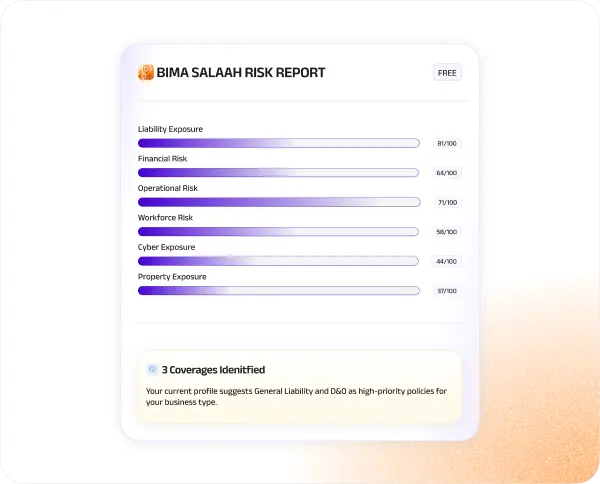
Every risk, read instantly.
Everything your business is exposed to, analysed before any cover is placed.
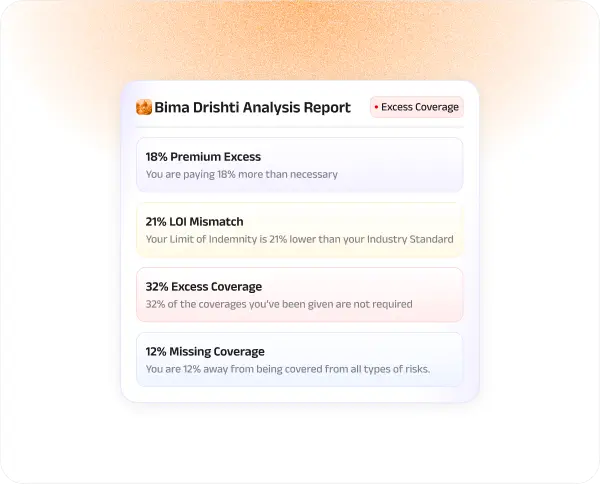
Every gap, caught early.
The gaps your current cover leaves open, surfaced before they turn into a claim.
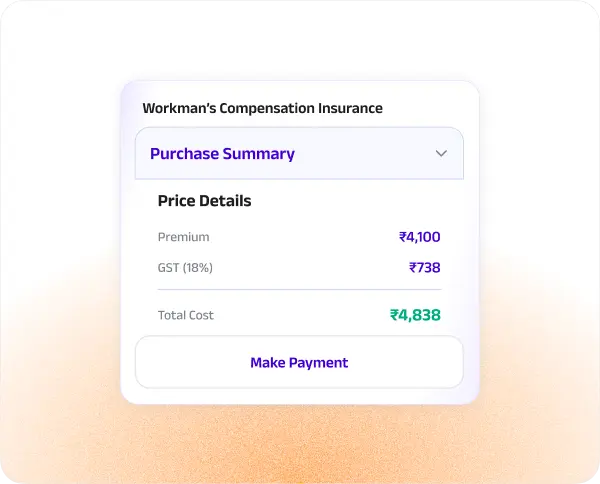
Right coverage, issued in minutes.
The right cover, priced and placed with India's top insurers, in minutes.



India's builders trust BimaKavach.

Learn More About
Workmen Compensation Insurance for Restaurant Staff
Workmen Compensation Insurance for Restaurant Staff, made Simple
A cloud kitchen employs cooks, prep staff, packers, and delivery riders. Burns, cuts, and slip-and-fall injuries can occur regardless of whether customers eat on the premises. A suitable WC policy can help cover eligible compensation liabilities arising from workplace injuries.
No. An FSSAI licence relates to food safety, not employee injury compensation. Food safety approvals, fire clearances, and municipal licences serve different purposes and do not replace insurance for workplace injury liabilities.
Delivery riders may be covered for eligible work-related injuries while performing authorised delivery duties, regardless of vehicle ownership, subject to policy terms. Motor insurance on a personal vehicle serves a different purpose and does not automatically cover the restaurant’s compensation liability. Declare eligible riders to the insurer with accurate headcount and wage details.
Each injured worker’s compensation depends on their wages, age, injury severity, and assessed disability. An incident involving three injured workers could create substantial combined liability. The restaurant should promptly report the incident to its insurer and provide the required information and documents.
Yes. Restaurants should declare eligible temporary and seasonal workers to the insurer. If hiring exceeds the declared headcount, ask the insurer about updating the policy or adding an endorsement. Undeclared workers may be excluded, leaving the restaurant exposed to compensation costs.
Exclusive Cyber Risk Assessment
Bima Netra
 Instant Cyber Risk Report
- Actionable Posture Insights