

Workers Compensation Insurance for Transportation Workers
Protects transporting firms when road accidents cause worker injury


Policy Provided By





















Workers Compensation Insurance for Transportation Workers
Protects transporting firms when road accidents cause worker injury
Get Quotes in a Few Steps


Currently Reading
1. What Is Workers Compensation Insurance for Transportation Workers?
2. Your Motor Policy Covers the Vehicle, Not Every Worker Injury
3. Four Injury Scenarios That Can Lead to a WC Claim
4. Who Counts as an Employee in a Transport Business?
5. What Does Workers Compensation Insurance for Transportation Workers Pay For?
6. What the Policy Does Not Cover?
7. How to Buy Workers Compensation Insurance for Transportation Workers from BimaKavach?
Workers compensation insurance for transportation workers covers an employer’s liability when a driver, helper, loader, or warehouse worker suffers an injury, disability, or death during employment. It helps transport and logistics businesses manage compensation costs without paying the entire amount from their operating funds.
A mid-size logistics firm operates 40 trucks on interstate routes. During early morning unloading at a warehouse, a helper slips on a wet ramp and fractures his hip. He needs surgery and four months of rehabilitation. The employer may need to pay medical expenses and disability compensation based on the worker’s wages, age, and assessed disability. Without WC insurance, the business bears these costs itself. With suitable coverage, the insurer pays covered compensation according to the policy terms.
Transport firms often assume their motor insurance covers all workplace injuries to drivers and helpers. However, motor insurance and workers compensation insurance serve different purposes.
What Motor Insurance Covers:
Third-party liability arising from road accidents and applicable personal accident cover for eligible people travelling in the vehicle. Coverage depends on the policy terms.
What WC Insurance Covers:
Work-related injuries, including a driver burned while checking an engine, a helper who fractures a wrist during loading, or a warehouse worker struck by a reversing vehicle.
The Loading and Unloading Gap:
Falls from truck beds, crushed hands caused by shifting cargo, back injuries from lifting heavy consignments, and fractures on warehouse floors can create compensation liabilities that motor insurance may not cover.
Commuting Accidents:
Accidents during travel between home and work may qualify when the timing, route, and circumstances establish a connection with the employee’s work schedule. This can be particularly relevant for logistics workers travelling to depots during early morning or late-night shifts.
A transport firm relying only on motor insurance may leave workers exposed to financial risks arising from loading, unloading, warehouse operations, maintenance, and other work-related activities.
For transport and logistics businesses, work-related injury risks extend beyond road accidents.
1. Road Accident During a Delivery Run:
A truck driver is hit by another vehicle on a highway while making a scheduled delivery. The driver fractures a leg and cannot work for three months. The employer may face compensation costs for the resulting disability, separate from any third-party liability covered by motor insurance.
2. Loading Dock Fracture at a Warehouse:
A loader slips on a greasy floor while carrying a 30 kg carton and fractures his shoulder. Since the injury occurs inside a warehouse, motor insurance may not respond. WC insurance can help cover the employer’s eligible compensation liability.
3. Maintenance Bay Burn:
A mechanic working on a fleet vehicle at the company workshop suffers burns due to a fuel line leak. Injuries sustained during vehicle maintenance can create compensation liabilities even when the vehicle is stationary.
4. Heat Stroke on a Long-Haul Route:
A driver collapses from heat stroke during a summer journey through Rajasthan. Prolonged exposure to heat, dust, or excessive noise can also cause occupational health problems in certain working conditions. Eligible claims depend on the circumstances, applicable coverage, and policy terms.
Transport firms may classify drivers as independent contractors rather than employees. However, the actual working relationship matters. If a firm controls the route, schedule, dispatch timing, and vehicle branding, these factors may indicate an employment relationship, regardless of the contract’s wording.
Contract workers and manpower-supplied workers can also create compensation liabilities for the business that engages them. Employers should disclose eligible contract workers to the insurer when purchasing the policy and maintain accurate records of employee roles and wages.
Employees who are not covered under ESIC may leave the employer directly responsible for eligible workplace injury compensation. A suitable workers compensation insurance policy can help manage this financial exposure.
- Road Accident Injuries to Drivers and Helpers: Covers eligible treatment, surgery, hospitalisation, and rehabilitation expenses arising from work-related road accidents, subject to policy terms.
- Loading and Unloading Injuries: Covers eligible claims involving falls from truck beds, crush injuries caused by shifting cargo, back injuries from lifting heavy consignments, and fractures on warehouse floors.
- Injuries During Vehicle Maintenance: Covers eligible injuries caused by fuel or oil leaks, electrical faults during battery work, and accidents while working under vehicles in company workshops.
- Heat Stroke and Occupational Diseases: May cover eligible compensation arising from heat stroke, respiratory conditions caused by prolonged dust exposure, and noise-induced hearing loss, depending on the circumstances and policy terms.
- Temporary and Permanent Disability Compensation: Covers eligible compensation for temporary disability and permanent partial or total disability. The amount depends on the worker’s wages, age, and assessed disability.
- Death Compensation to Dependents: Provides eligible compensation to the dependents of a worker who dies due to a covered work-related incident. The amount depends on the worker’s wages, age, and applicable compensation rules.
Every WC policy has exclusions. Understanding these exclusions helps businesses avoid disputes during claims.
Injuries Caused by Intoxication While Driving
Claims may be excluded when a driver’s intoxication contributes to an injury and the applicable exclusion applies. Transport firms should maintain pre-trip sobriety checks and document compliance.
Self-Inflicted Injuries
Injuries intentionally caused by the employee to themselves may be excluded, subject to the policy wording and applicable rules.
Injuries During Personal Detours or Unauthorised Vehicle Use
A driver who takes an unauthorised personal detour or uses a company vehicle outside working hours without permission may not qualify for coverage. Route logs and GPS records can help establish whether the journey was work-related.
Third-Party Liability on the Road
Injuries or deaths involving pedestrians and occupants of other vehicles, as well as third-party property damage, generally fall under motor insurance rather than WC insurance. Motor insurance protects against eligible third-party liabilities, while WC insurance addresses the employer’s eligible compensation liability towards covered workers.
Here is how transport businesses can arrange coverage for their workforce.
| 1. Get Instant Quotes: | 2. Choose Your Coverage and Insurer: | 3. Pay Online and Get Your Policy: |
|---|---|---|
| Share your fleet size, employee count by role, and wage details to compare quotes from insurers. | Our experts help you compare policy limits, exclusions, and pricing for transport and logistics risks. | Complete payment online and receive your policy documents digitally, subject to insurer processing. |
Step-by-Step Process to Get a WC Policy Through BimaKavach
1. Get Instant Quotes:
Share your fleet size, employee count by role, and wage details to compare quotes from insurers.
2. Choose Your Coverage and Insurer:
Our experts help you compare policy limits, exclusions, and pricing for transport and logistics risks.
3. Pay Online and Get Your Policy:
Complete payment online and receive your policy documents digitally, subject to insurer processing.
Documents You Will Need
- Business registration certificate or GST registration
- Employee headcount with job roles, route assignments, and monthly wage details
- ESIC registration details, if applicable
- Fleet registration details and number of vehicles
- Previous WC policy copy, if renewing or switching insurers
- Claims history for the previous three years, if available
For details on reporting workplace injuries and submitting claim documents, see the workmen compensation insurance guide. Our team can guide you through the claims process, from initial notification to settlement.
Workmen's Compensation Insurance, for Every Kind of Business
Workmen's Compensation Insurance
Protects workers when workplace accidents cause injury or death
For Small Businesses
Protects small businesses when workplace accidents cause employee injury or disability
For Manufacturing Industry
Protects manufacturing units when factory floor accidents cause worker injury or death
Trusted by India's Top Businesses















A new experience.
Built on intelligence. Covered in minutes.


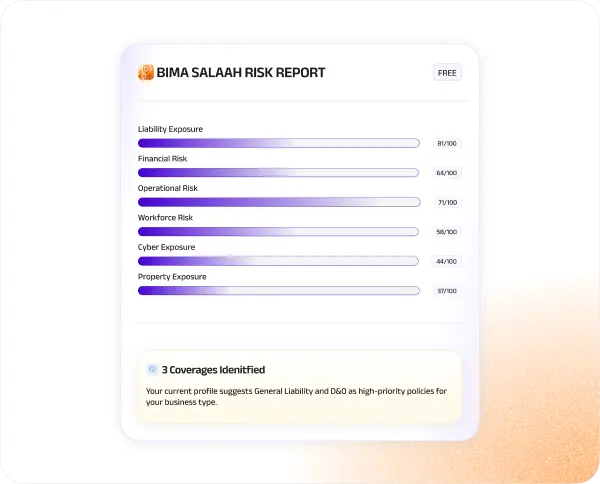
Every risk, read instantly.
Everything your business is exposed to, analysed before any cover is placed.
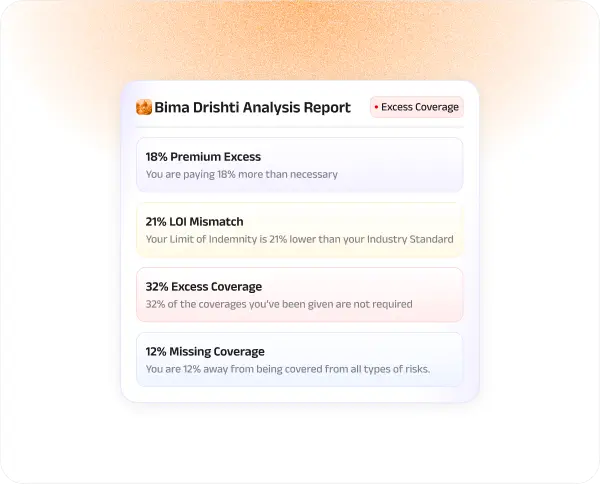
Every gap, caught early.
The gaps your current cover leaves open, surfaced before they turn into a claim.
Right coverage, issued in minutes.
The right cover, priced and placed with India's top insurers, in minutes.



India's builders trust BimaKavach.

Learn More About
Workers Compensation Insurance for Transportation Workers
Workers Compensation Insurance for Transportation Workers, made Simple
No. Motor insurance primarily addresses vehicle-related risks and eligible third-party liabilities. Loading, unloading, warehouse, and maintenance injuries may fall outside its coverage. WC insurance can help cover the employer’s eligible compensation liability for these injuries.
Contract drivers may be covered, depending on the employment arrangement and policy terms. Businesses should declare eligible workers to the insurer. The business engaging the workers may still face compensation liability if the contractor cannot pay.
A commuting accident may qualify when the timing, route, and circumstances establish a connection with the employee’s work schedule. This can be relevant for drivers travelling to depots during early morning or late-night shifts. Eligibility depends on the circumstances and applicable coverage.
Compensation depends on the worker’s monthly wages, age, and the nature and extent of the injury. Temporary disability, permanent partial disability, permanent total disability, and death may result in different compensation amounts.
There is no universal minimum fleet size. The need for coverage depends on the employment relationship, applicable requirements, and the business’s workforce. Even a small transport business may face compensation liability for an eligible work-related injury.
Exclusive Cyber Risk Assessment
Bima Netra
 Instant Cyber Risk Report
- Actionable Posture Insights